
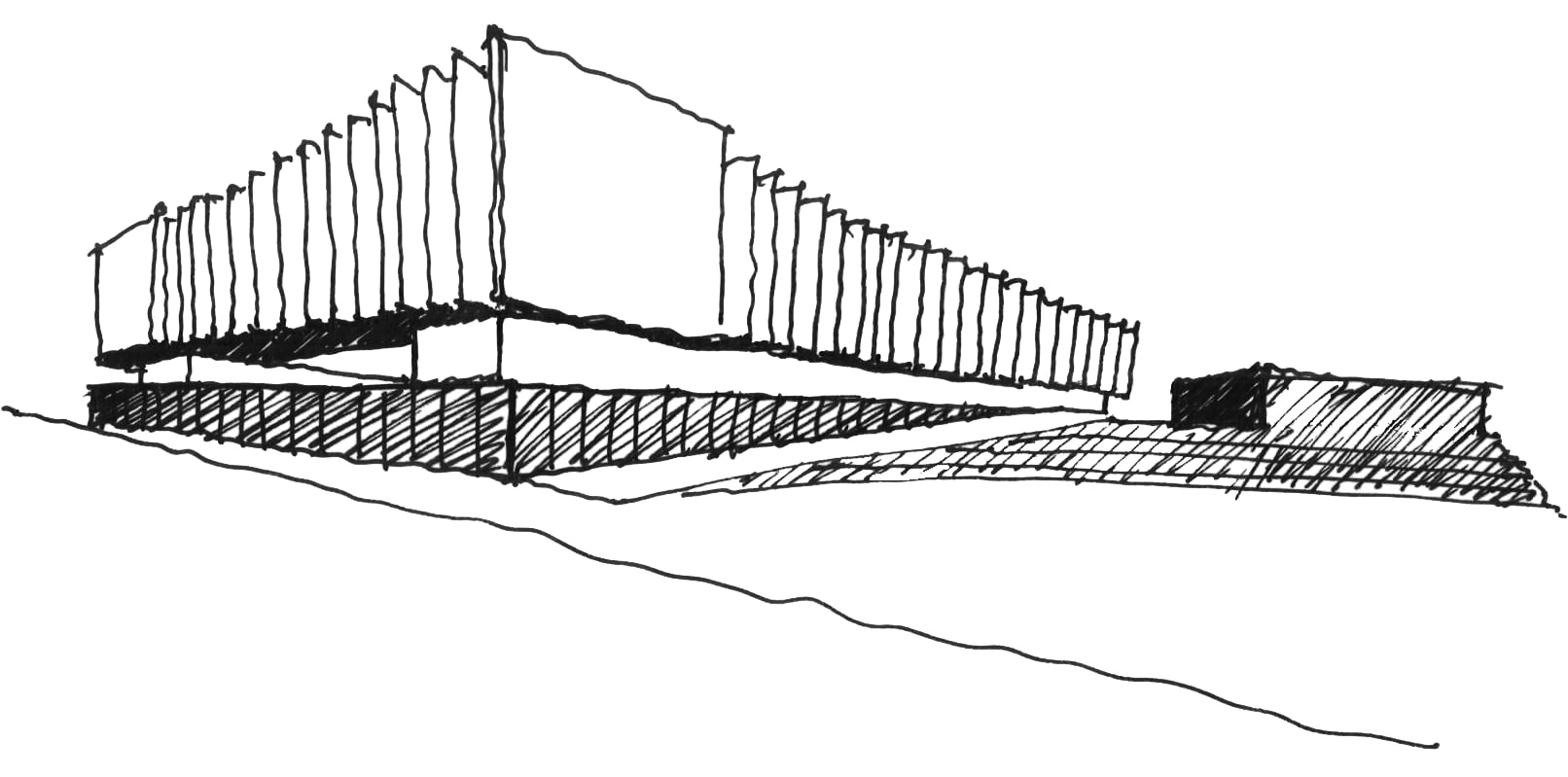
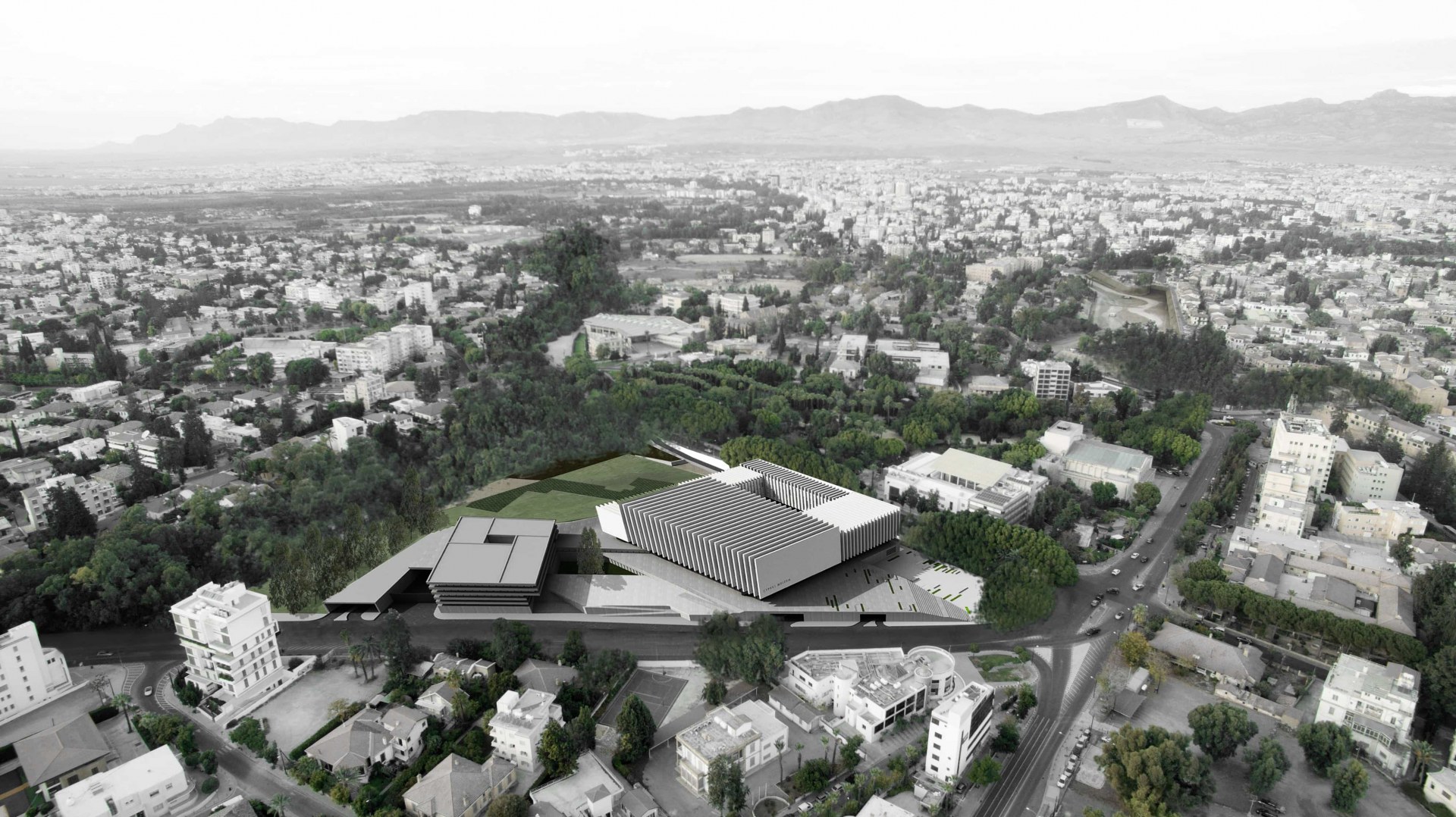
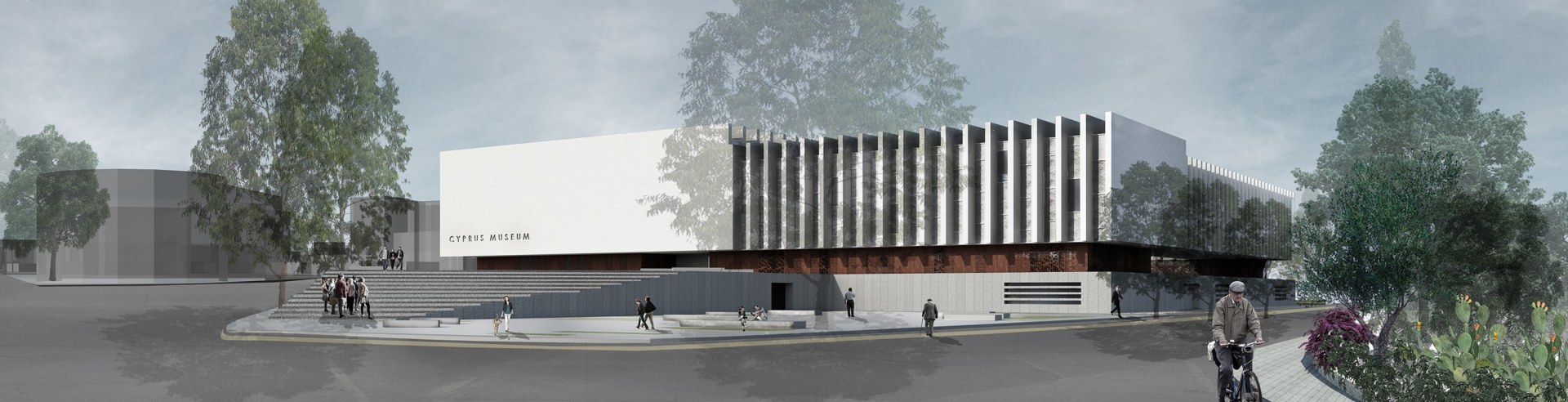
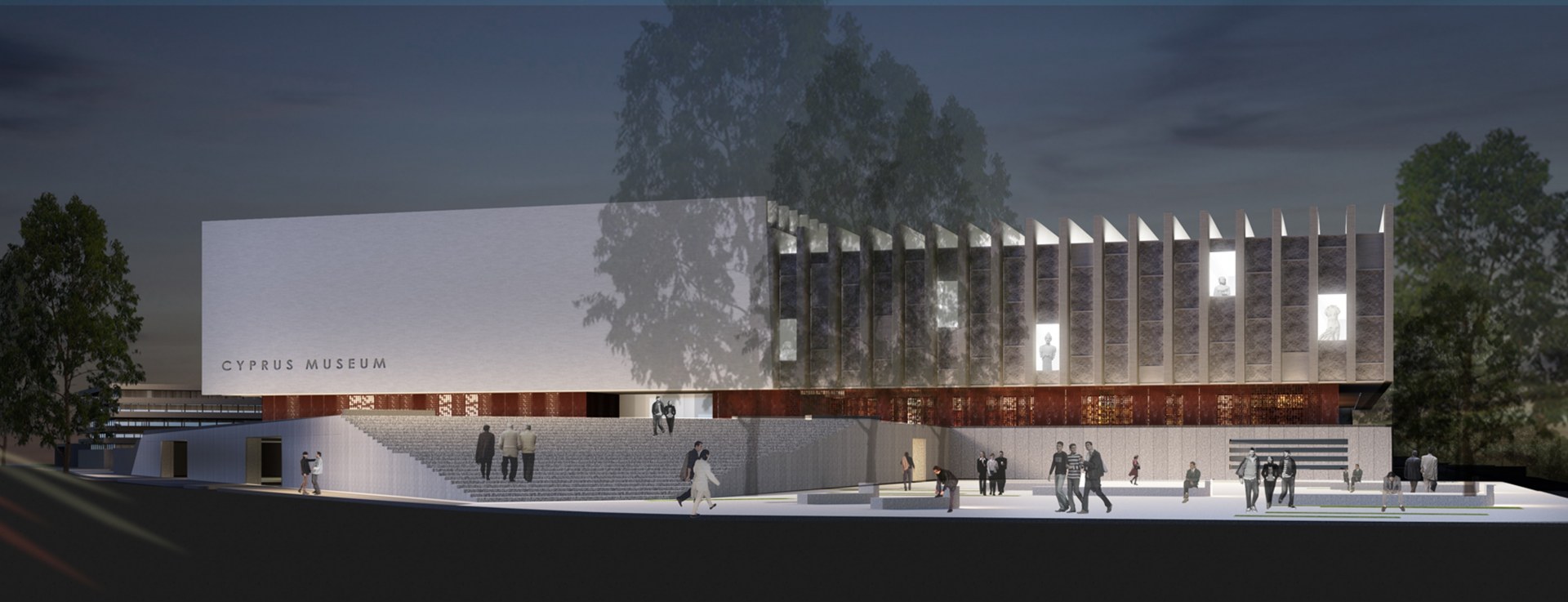
The New Cyprus Museum constitutes a unique opportunity in a two-fold sense. On the one hand, the new institution is an occasion to create an archaeological museum worthy of its permanent collection, which will also be able to offer world-class temporary exhibitions in an appropriate setting. On the other hand, the institution’s main attributes – namely, museological aspirations, urban position, required size and functional accommodation – offer Nicosia the chance for an urban artefact to take the role of a Primary Element. Hence, this proposal was forged at the productive intersection between museological, architectural and urban concerns.
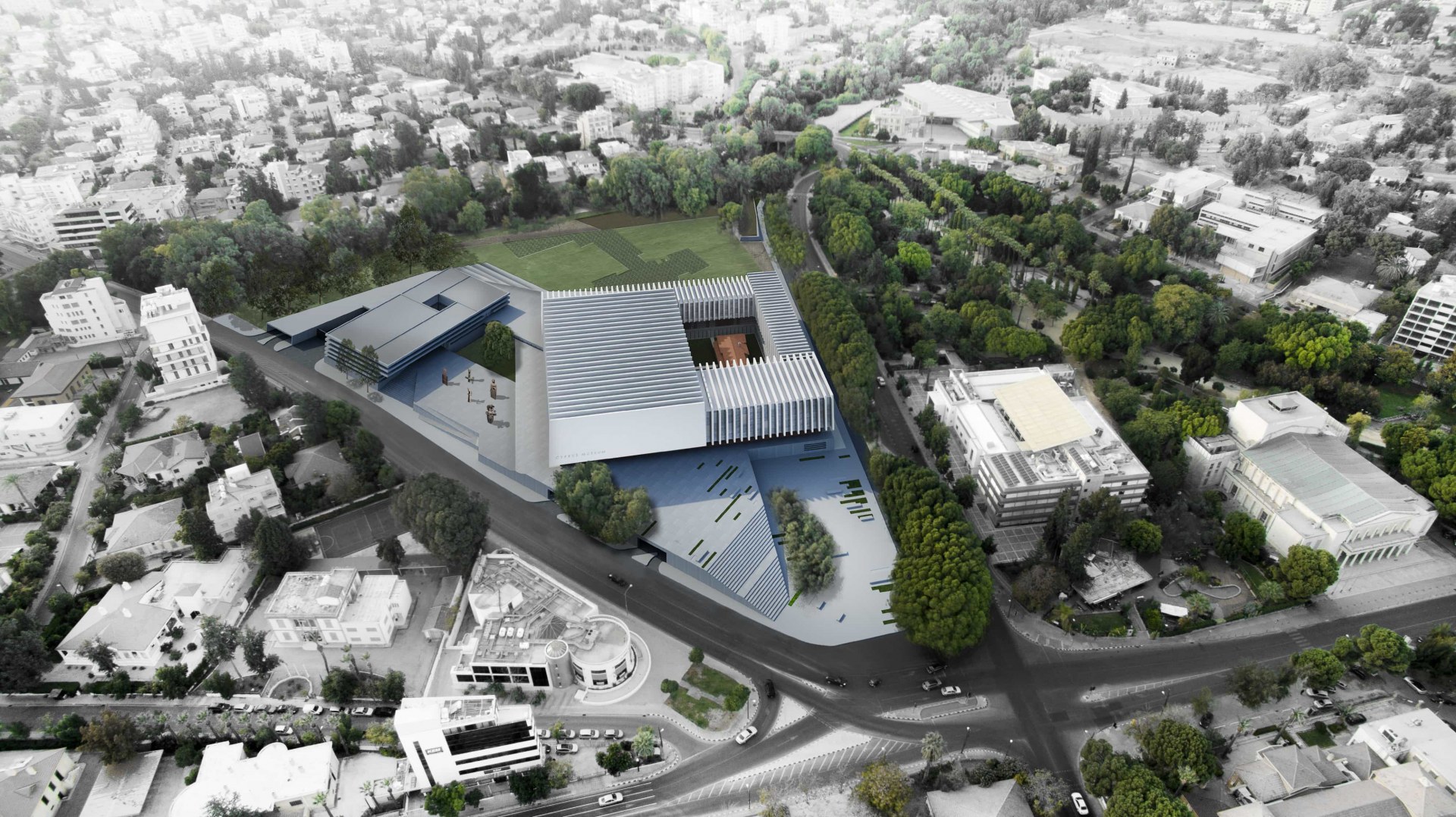
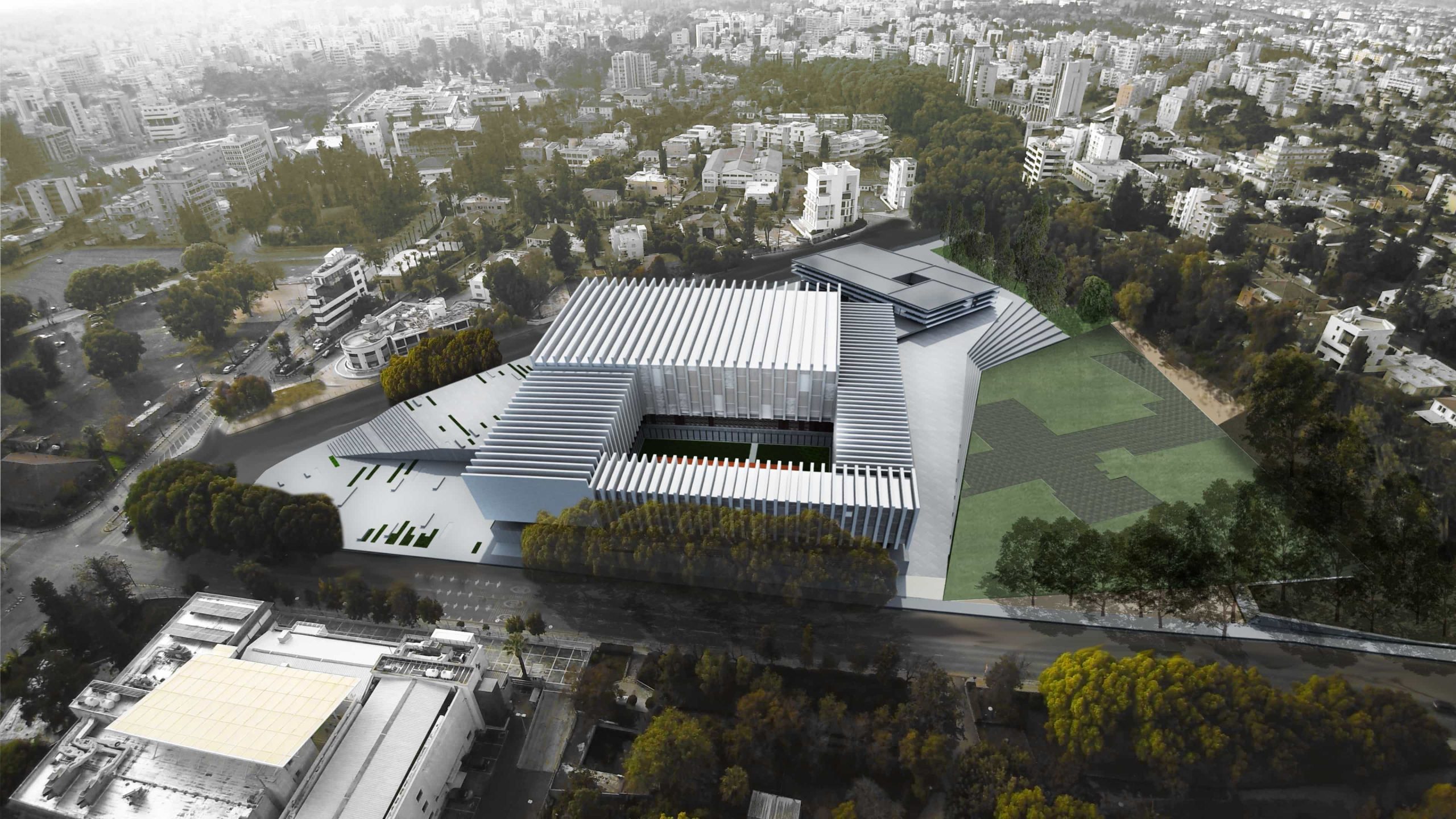
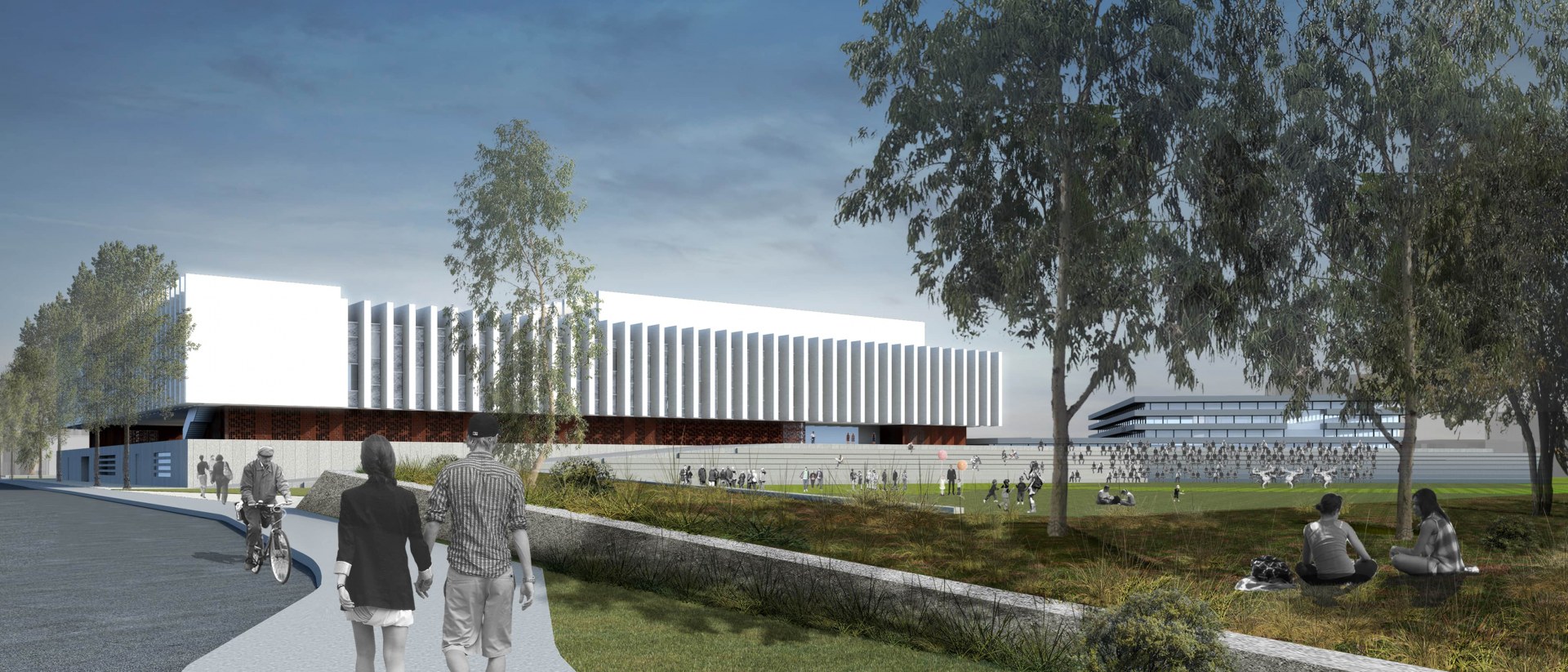
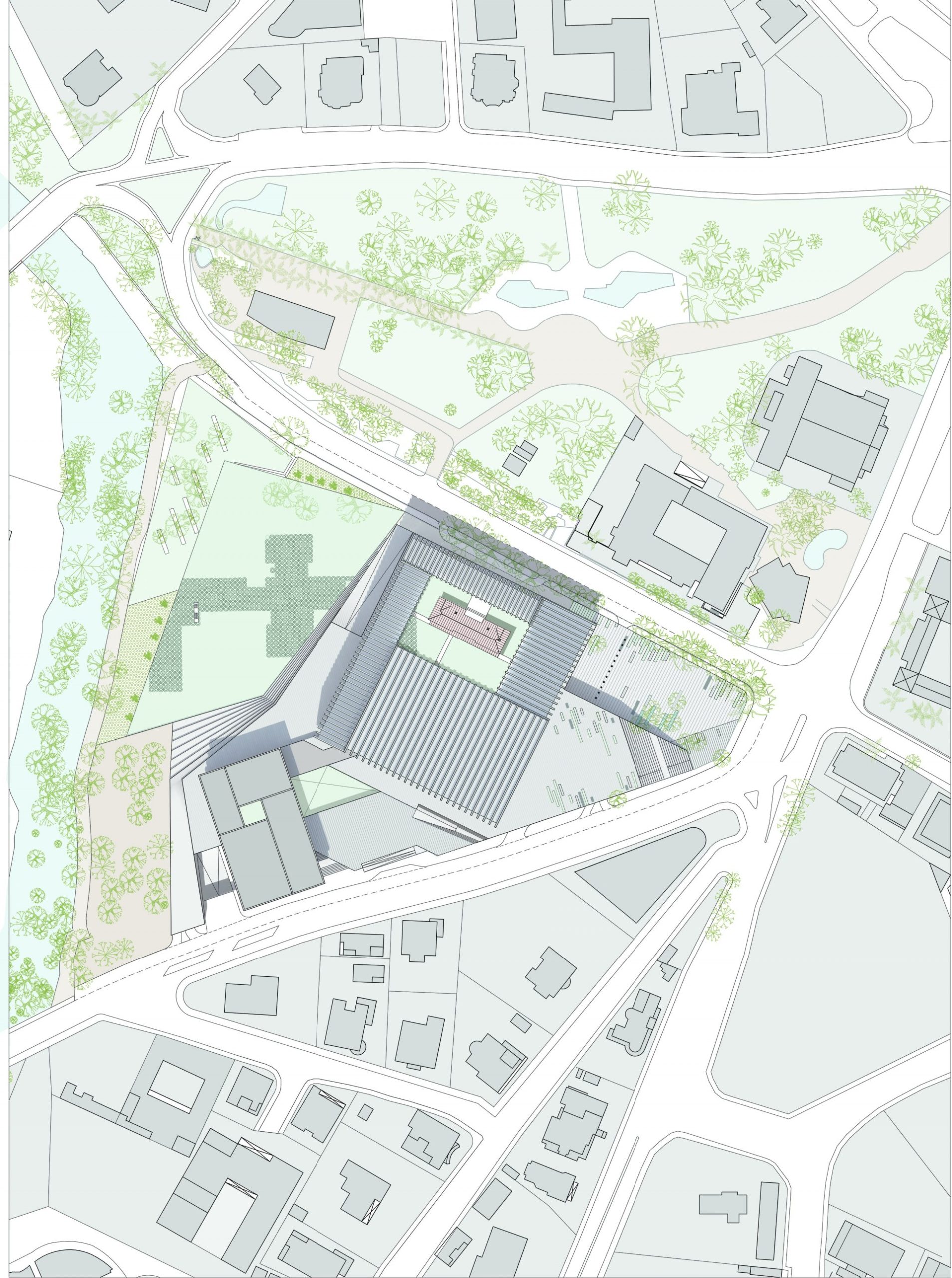
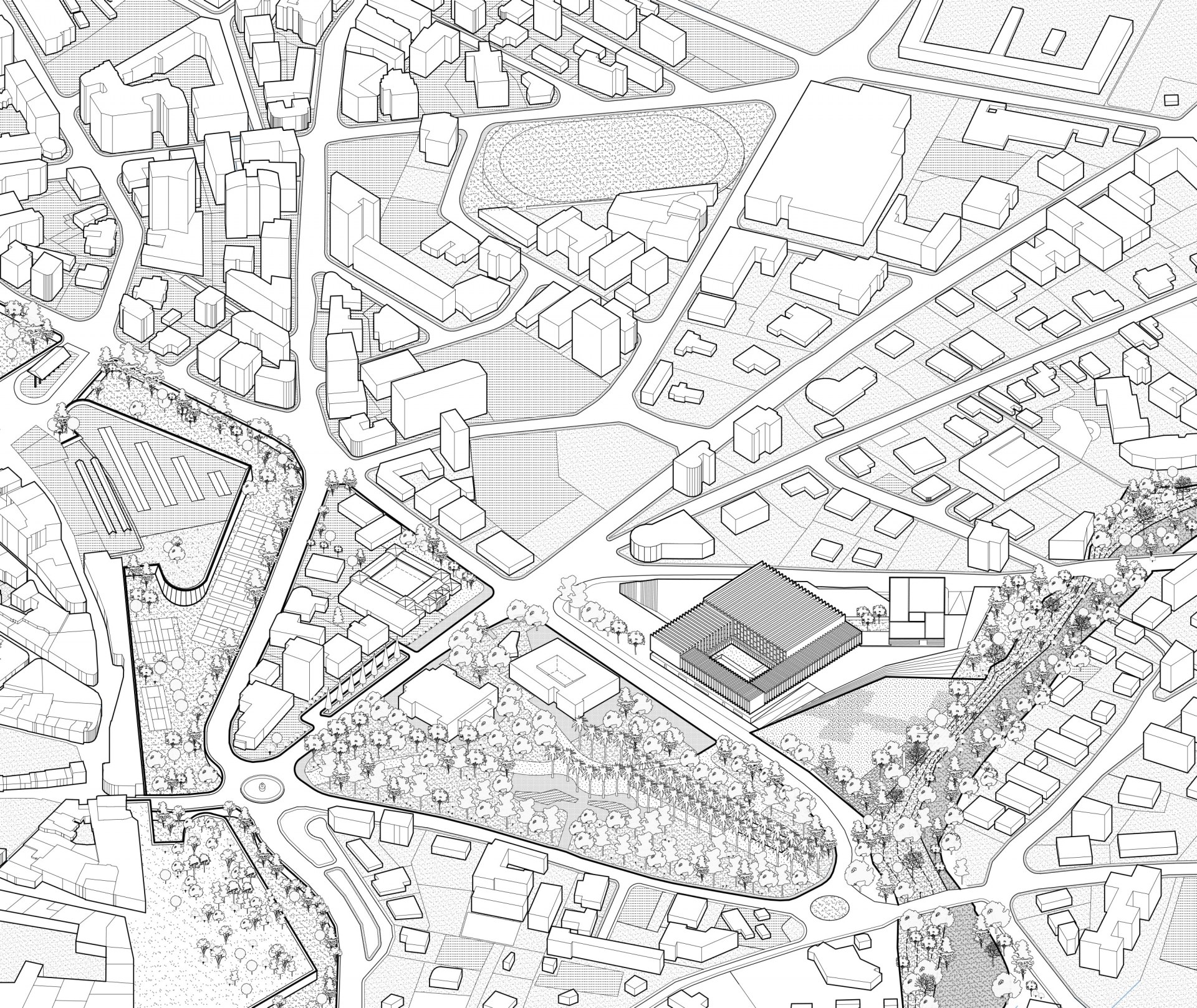
While Nicosia’s Central Business District has a larger network of open spaces in comparison to other European cities, this network contains considerable expanses of underperforming spaces. Moreover, and more consequentially, some key types of urban open space – such as Public Squares and City Parks – seem to be totally missing. In other words, whereas the current network of open spaces is quantitatively expansive, it is qualitatively incomplete. This project commences by proposing both a Public Square and a City Park, in conjunction to the New Cyprus Museum. The former is placed opposite the House of Parliament, thus enabling its activation as a political space, while its sectional differentiation ensures that the Museum’s vector of entry will always be unobstructed by possible demonstrations. The latter is positioned along the site’s western boundary so that it meaningfully connects Pedieos’s Linear Park to the Municipal Gardens, while doing so with an open space responsive to the scale of the district.
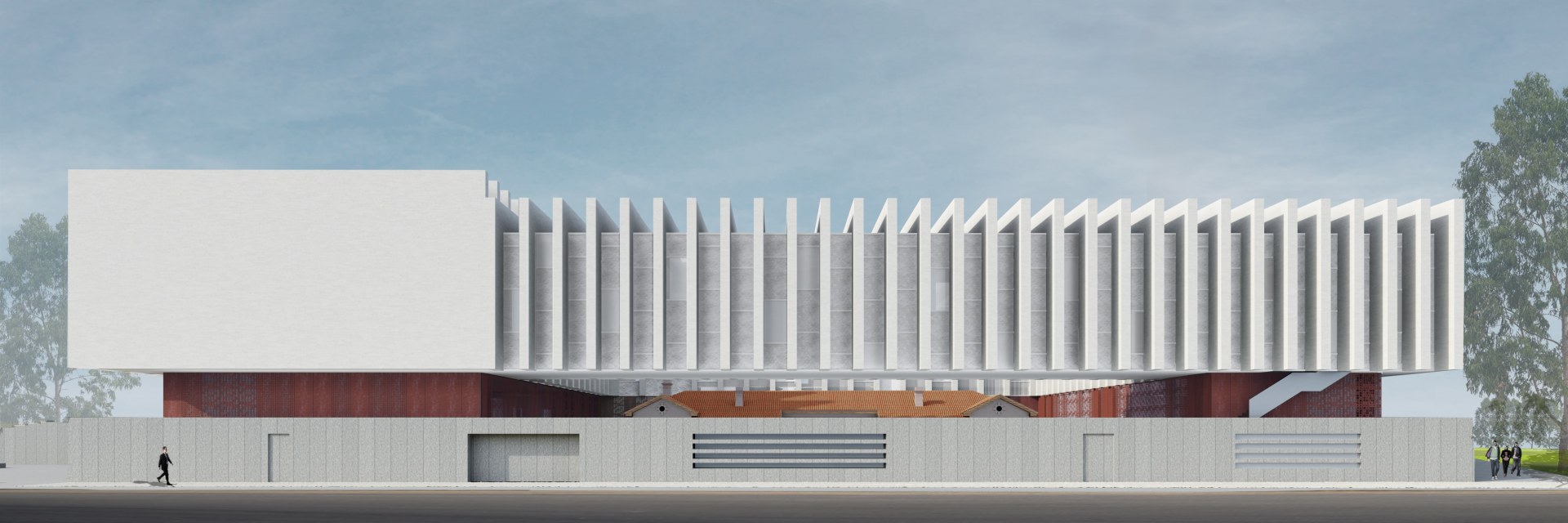
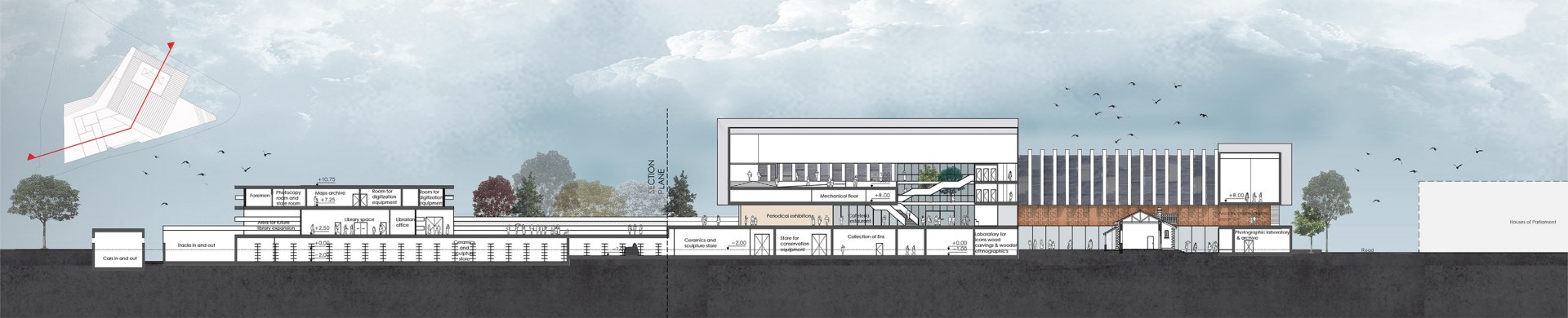
For both programmatic and strategic reasons, the project exploits a thickened-ground organisation, which articulates its roof as the main datum. This yields a site-organising plinth, which critically responds to multiple contextual contingencies, as well as accommodates – within a Lower Ground Level – most of the immense supportive facilities (storage, laboratories, loading-unloading). For its part, the Upper Ground Level hosts the Museum’s main collective spaces – including the Periodical Exhibitions. The Permanent Displays are deployed on the topmost level, thus maximising exhibition flexibility and museological continuity, while at the same time minimising the institution’s highest energy demand: gallery lighting.
The existing listed building’s location in conjunction to the site-organising plinth contributed to the decision of encircling this building within a courtyard – thus transforming the building into an urban objet trouvé. In turn, this move bestows an anchoring moment from within the Museum, thereby amplifying spatial legibility. The final major architectural decision was to grant the Department of Antiquities autonomous presence in the city – something accomplished by a distinct volume and independent entrance. This decision is also aligned with the proposed phasing logic, in that this second phase will be constructed – as an extrusion from the plinth – with minimal interference with first phase.
The move to enshrine the listed building within a slightly-submerged cloister informs the proposed museology in various ways – the most important of which is that the underground gesture alludes to the site’s archaeology and memory, something also inflecting the landscaping strategy – as traces of the Old Nicosia Hospital are faintly materialised within both the park and the courtyard. If this theme largely underwrites the proposed museology, the architecture of the topmost level completes the museological vision. The conventional exhibition visit is based on the ‘diagram of no return’ – whereby a unidirectional vector connects sequentially all the galleries commencing and concluding in the Lobby. This prescribed circulation loop introduces both curatorial and operational limitations for the museology, as patrons have to navigate all the galleries in each and every museum visit, while institutions cannot subdivide their exhibition space easily (for either display reconfigurations or remedial works). The arrangement of Permanent Exhibitions around a centralised supportive core, enables multiple processional routes as well as exhibition flexibility, without compromising the required narrative sequencing of the museology.
The resulting project operates concurrently as a piece of topography as well as a building, which seeks to establish a strong urban strategy, with an expanded field of performative possibility (including open-air stands facing the proposed park), via an understated monumentality – something seen as fitting for an Institution and a Department that requires no architectural pyrotechnics to ascertain its urban significance.